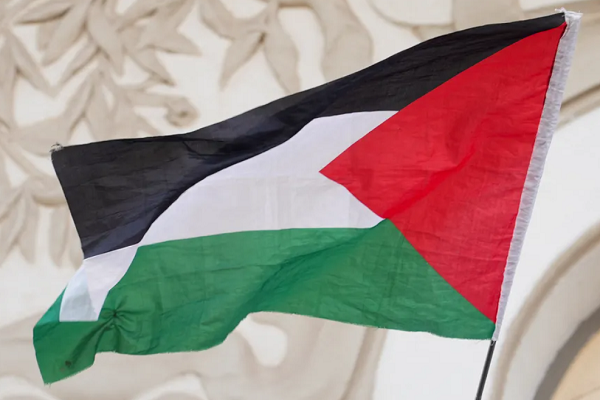
The question of whether Palestine is a separate state remains one of the most debated political issues in the modern world. For decades, the struggle for Palestinian recognition has stood at the heart of the Middle East conflict, intertwining questions of history, international law, and geopolitics. To understand whether Palestine is a reality or a fiction, one must look at both the legal framework and the political realities on the ground.
Historical Context
The region historically known as Palestine has been home to diverse populations for centuries. After the fall of the Ottoman Empire in the early 20th century, Britain took administrative control under the British Mandate for Palestine. Following World War II and the United Nations partition plan of 1947, the land was proposed to be divided into two states: one Jewish and one Arab. While the State of Israel declared independence in 1948, the Palestinian state never materialized due to wars and displacement.
International Recognition
Today, the State of Palestine has declared independence and is recognized by more than 130 United Nations member states. In 2012, the UN General Assembly granted Palestine the status of a “non-member observer state”. This recognition signals that, at least legally and diplomatically, Palestine exists as an entity separate from Israel.
However, major powers such as the United States, United Kingdom, and many European countries do not fully recognize Palestine as an independent sovereign state, arguing that its final status must be determined through negotiations with Israel.
Political Reality on the Ground
On the ground, the picture is far more complex:
- Territory: The Palestinian territories of the West Bank, East Jerusalem, and Gaza Strip are fragmented and under varying degrees of Israeli control.
- Governance: The Palestinian Authority governs parts of the West Bank, while Gaza is controlled by Hamas. This internal political division weakens the claim of unified statehood.
- Borders and Security: Without full control over its borders, airspace, or security, Palestine lacks the essential sovereignty that defines a fully functioning state.
Is Palestine a State?
From a legal and diplomatic perspective, Palestine does exist as a recognized state for much of the international community. Yet, from a practical standpoint, it lacks the territorial control, independence, and institutional strength that usually define sovereign states.
Conclusion
So, is Palestine a separate state—reality or fiction? The answer lies in a gray zone. For millions of Palestinians, their identity and struggle for statehood are a lived reality. On paper, Palestine has significant international recognition. But in practice, ongoing occupation, political divisions, and lack of sovereignty keep it closer to unfinished reality than fiction. The question will ultimately depend on future peace negotiations, international willpower, and the resolution of one of the world’s most enduring conflicts.