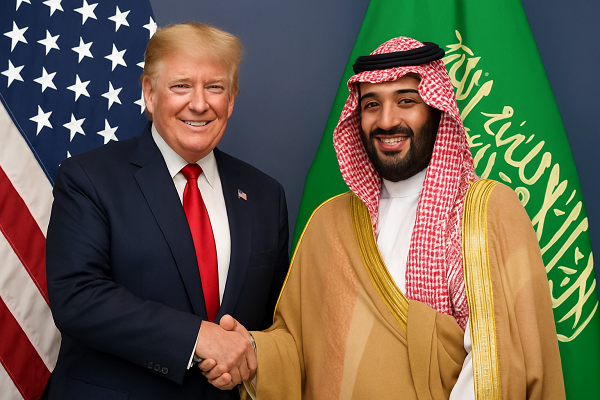
A major turning point in U.S.–Saudi relations came with the Trump–MBS meeting in November 2025. The two leaders finalized a landmark Strategic Defense Agreement (SDA) and unveiled massive economic commitments that aim to reshape regional security and long-term geopolitical cooperation.
F-35 Deal and Major Non-NATO Ally Status
At the core of the SDA is the U.S. decision to supply F-35 fighter jets to Saudi Arabia and designate the Kingdom as a Major Non-NATO Ally, one of Washington’s highest security classifications.
The agreement strengthens regional deterrence—particularly against Iran—and introduces new burden-sharing measures to support U.S. defense operations.
Saudi Investment to Surge Toward $1 Trillion
Economically, MBS committed to increasing Saudi investment in the U.S. to nearly $1 trillion, focusing heavily on:
- Advanced technology
- Artificial intelligence (AI)
- Critical minerals
- Infrastructure and energy partnerships
A major Civil Nuclear Cooperation Agreement was also signed, ensuring strict nonproliferation safeguards while enabling peaceful nuclear development.
Israel Normalization Still Conditional
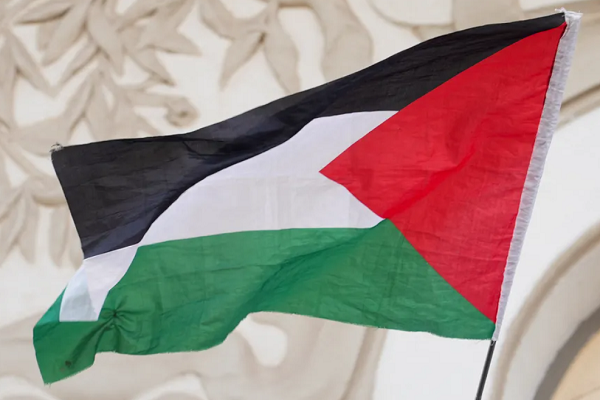
Despite expanding U.S.–Saudi ties, MBS reaffirmed that any Saudi-Israel normalization requires a credible path to a two-state solution. This stance keeps the diplomatic process linked to broader regional political resolutions.
A New Era of Strategic and Economic Alignment
The meeting cements a deeper U.S.–Saudi partnership centered on defense modernization, economic diversification, and shared long-term interests. The SDA and investment pledges also reinforce Saudi Arabia’s Vision 2030 strategy, which aims to transform the Kingdom’s global economic footprint