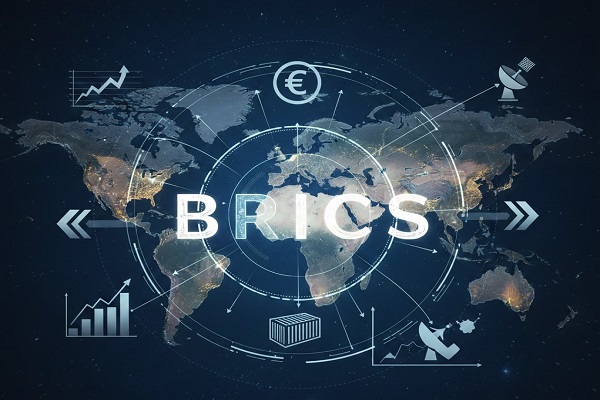
The BRICS bloc — Brazil, Russia, India, China, and South Africa — is gaining global influence. Together, they challenge the current economic order. But can they truly reshape the world economy by 2030?
BRICS countries represent a large share of the world’s population and economy. Their trade ties are growing fast. Initiatives like de-dollarization and a potential BRICS currency show their intent. This could reduce reliance on Western financial systems. Developing nations could benefit greatly.
Why BRICS Matters
- Young Populations: Many BRICS nations have large, youthful populations. This fuels consumption and workforce growth.
- Resource Rich: Abundant natural resources provide strategic advantages.
- Tech Leaders: China and India drive innovation and digital transformation.
- Global South Cooperation: Trade and investments among developing countries create a multipolar economy.
Internal disagreements and differing economies could slow progress. Geopolitical tensions remain a hurdle. Yet, BRICS aims to build a fairer, diversified global economy.
By 2030, BRICS is likely to reshape global economic influence. Power will shift toward the East and the Global South. While a full overhaul is ambitious, BRICS will play a key role in global finance and trade.
The bloc’s growing strength shows a multipolar future is coming.