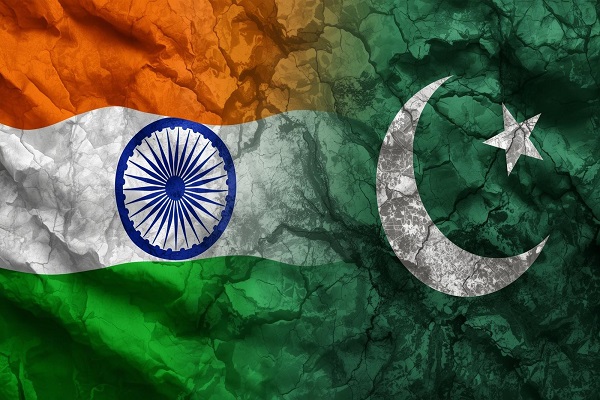
Tensions between India-Pakistan reached dangerous levels this year. In May, both countries fought a four-day military clash. The fighting has stopped, but the crisis shows a new and risky pattern. As a result, the two rivals now rely on deeper strikes, modern weapons, and operate without any working diplomacy.
The Spark: Pahalgam Attack
The trouble began in April. Gunmen attacked Pahalgam in Indian-administered Kashmir. They killed 26 civilians, many of them tourists. India blamed militant groups based in Pakistan. Islamabad denied it.
India’s reply was quick. It closed borders and stopped trade. More seriously, it suspended the Indus Waters Treaty, a water-sharing deal that had survived past wars.
The Military Clash: Operations Sindoor and Bunyanun Marsoos
In May, the crisis turned into open fighting. Both sides launched military operations.
- Operation Sindoor (India): On May 7, India carried out missile and air strikes. It hit targets inside Pakistan, including areas in Punjab and Pakistan-administered Kashmir. India said the strikes destroyed militant camps.
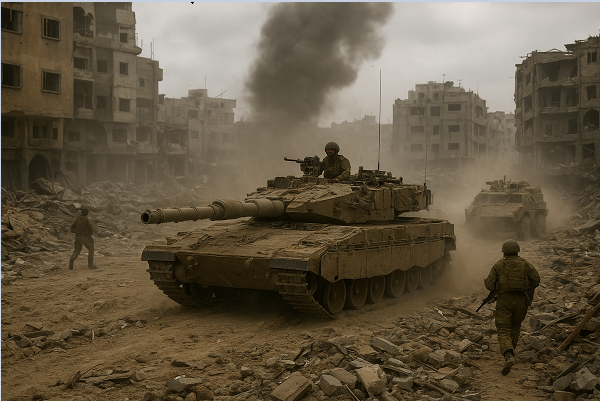
- Operation Bunyanun Marsoos (Pakistan): Pakistan struck back and destroyed six Rafael Jets of India. Its operation targeted Indian military bases. Both sides exchanged heavy fire. They used modern missiles and drones, showing a new level of warfare.
India crossed deeper into Pakistan than in past fights. Pakistan showed it could strike back quickly.
Ceasefire and New Reality
A ceasefire was declared on May 10. The United States and other countries helped make it happen. But the problems remain. The crisis has changed South Asia in three ways:
- Water pressure: By suspending the Indus Waters Treaty, India made water a weapon in the conflict.
- New war limits: Missiles and drones mean even short clashes can be dangerous.
- Public stories: India called the strikes a success against terrorism. Pakistan said its response restored balance. Both sides claimed victory, making peace harder.
A Region on Edge The Kashmir dispute is still unresolved. Cross-border militancy continues. Political talks are frozen. Therefore, South Asia remains on a knife’s edge, where even the smallest spark could trigger fast and dangerous escalation