The global economy 2025 is slowing down.Global institutions cut 2025 growth forecasts. They warn of a fragile outlook. Trade tensions, weak demand, and geopolitical risks weigh on economies worldwide.
Growth in advanced economies is moderating. The United States faces policy uncertainty. Higher interest rates are now taking effect. Investment is slowing. Consumer demand is weakening.
Emerging Markets and Developing Economies (EMDEs)
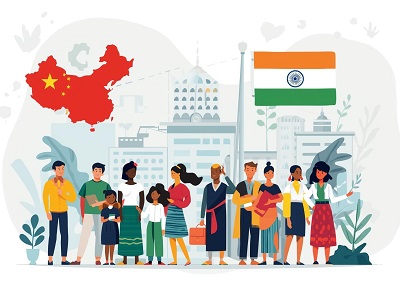
- China: Growth continues to decelerate.
- India: Still among the fastest-growing large economies, though its outlook has softened under global headwinds.
- Sub-Saharan Africa and Low-Income Countries: High debt burdens weigh heavily on these countries. Furthermore, external demand remains weak. Consequently, domestic challenges persist.
Global GDP expansion is now expected in the range of 2.3%–3.0% in 2025, marking one of the weakest performances in recent years.
Key Challenges and Risks
1. Trade Tensions and Uncertainty ⚠️
Trade conflicts and new tariffs are disrupting supply chains. Production costs are rising, while investment decisions are being delayed. This is a major driver of weaker global growth.
2. Inflation and Monetary Policy
- Inflation is easing but remains above pre-pandemic averages.
- Central banks face a balancing act: stabilizing prices without triggering a sharp recession.
- Services inflation and tariff-related cost pressures complicate the disinflation process.
- Interest rate policy paths, especially in the U.S., remain uncertain.
3. Fiscal Pressure and Public Debt
Public spending is rising, but so are deficits and debt burdens. Global debt is at record highs, leaving governments with limited room to respond to future shocks or invest in sustainable growth.
4. Geopolitical and Non-Economic Risks
Conflicts, instability, and natural disasters are adding to uncertainty. Climate change and extreme weather events disproportionately hurt vulnerable economies and further disrupt global trade and production.
Transformative Trends Shaping the Economy
Artificial Intelligence (AI)
AI is driving investment and productivity gains, creating new industries and jobs. However, it also raises risks of labor market disruptions and structural inequality.
Shifting Global Value Chains
The era of hyper-globalization is fading. Nearshoring, reshoring, and friendshoring are becoming dominant strategies. This shift improves resilience but increases production costs.
The Green Transition
The push toward a low-carbon economy is accelerating. Moreover, clean technology and renewable energy are attracting significant capital. In addition, sustainability-linked investments are growing. As a result, green jobs are rising as governments and companies adapt to climate imperatives.
The global economy in the mid-2020s is fragile but adaptive. Growth is slowing, debt is mounting, and uncertainty is rising. Yet opportunities lie in AI, regional value chains, and the green transition. To foster stability and sustainable growth, international cooperation, predictable policies, and investment in resilience are essential. Without them, the world risks prolonged stagnation amid persistent global shocks.