
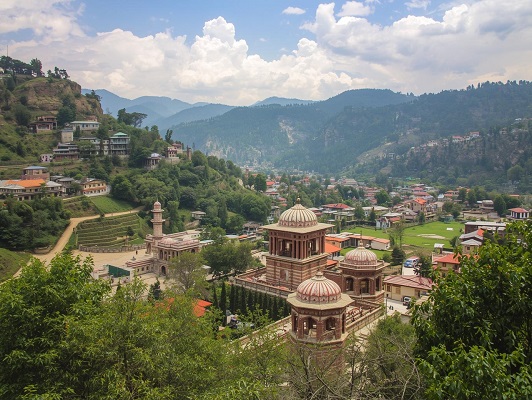
The debate over India’s control of Kashmir continues to spark international controversy. Many argue that India’s presence in Jammu and Kashmir is an illegal occupation. The claim rests on three issues. First is the region’s disputed history. Second is India’s rejection of United Nations mandates. Third is the record of ongoing human rights violations in Kashmir. This challenges India’s long-standing claim that Kashmir is an “integral part” of its territory. Kashmir Conflict one of the major issue of the world.
The Broken Promise of Self-Determination
The Kashmir conflict dates back to the 1947 partition of the subcontinent. In 1947, Jammu and Kashmir was a Muslim-majority princely state. Its Hindu ruler was Maharaja Hari Singh. He signed the Instrument of Accession to India under pressure.
India’s Governor-General accepted this accession conditionally, promising that the final status of Kashmir would be decided through a free and fair plebiscite. This pledge of self-determination has never been honored. By denying Kashmiris the promised vote, critics argue that India has lost both the moral and legal foundation of its claim.
Defiance of United Nations Resolutions
International law further strengthens the argument of Kashmir as an occupied territory. The United Nations Security Council Resolutions, especially Resolution 47 (1948), clearly recognized Kashmir as a disputed region. They called for a UN-supervised plebiscite to allow the people of Jammu and Kashmir to choose between India and Pakistan.
These resolutions have never been implemented. India’s continued military presence and administrative control are therefore seen as a violation of international law. While New Delhi cites the Simla Agreement of 1972 to frame Kashmir as a bilateral issue, legal experts emphasize that no bilateral treaty can override the authority of the UN Security Council on an international dispute.
Kashmir’s Status Under Question
The ongoing Kashmir dispute raises pressing legal and moral questions. Supporters of the “illegal occupation” perspective argue that until the people of Kashmir are allowed to exercise their right to self-determination, India’s claim remains illegitimate.